

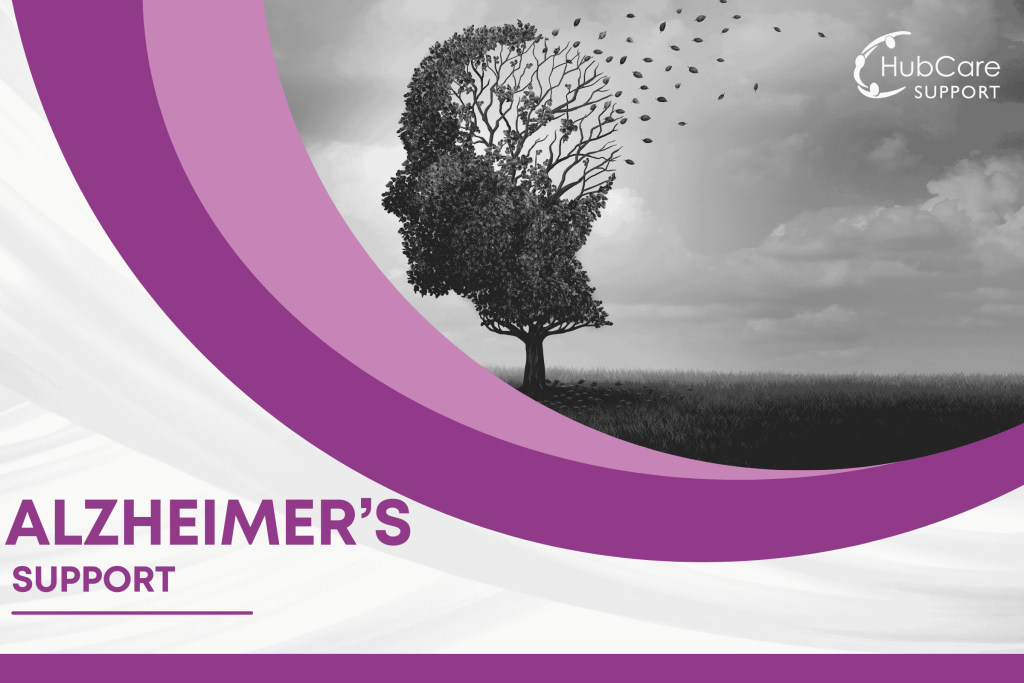
How to support someone and charities that can help
Alzheimer’s disease is a progressive condition that affects memory, thinking, and behaviour. It can be challenging to watch a loved one go through this, but spotting the early signs and knowing how to offer support is vital. In this blog, we’ll explore the signs of Alzheimer’s, how to care for someone affected by it, and highlight UK-based charities that provide essential resources and assistance.
Early Signs of Alzheimer’s


Recognising Alzheimer’s early can make a significant difference in managing the condition. While some memory lapses are normal as we age, Alzheimer’s symptoms tend to go beyond occasional forgetfulness. Here are some early signs to look out for:
1. Memory loss
Frequently forgetting recent events, important dates, or asking for the same information repeatedly.
2. Difficulty with familiar tasks
Struggling to complete everyday tasks, such as following a recipe, managing finances, or remembering how to get to a familiar location.
3. Confusion with time or place
Losing track of dates, seasons, or time. People may forget where they are or how they got there.
4. Trouble with language
Difficulty following or joining conversations, repeating themselves, or struggling with vocabulary.
5. Poor judgement
Making poor decisions or showing decreased judgement in situations that once felt routine, such as handling money or personal hygiene.
6. Withdrawal from social activities
Avoiding work, hobbies, or social gatherings due to difficulty in keeping up with conversations or the activities.
7. Mood and personality changes:
Becoming easily upset, anxious, confused, or suspicious, especially when out of their comfort zone.
How to support someone with Alzheimer’s


When a loved one is diagnosed with Alzheimer’s, it can be overwhelming for everyone involved. Here are a few ways you can offer support:
- Be patient and understanding
- It’s important to understand that the frustration they may feel is a result of the disease, not a personal choice. Practise patience and listen when they are struggling to communicate.
- Help maintain routine
- People with Alzheimer’s benefit from having a structured day. Stick to familiar routines that provide a sense of comfort and security.
- Encourage safe independence
- While your loved one may need help with certain tasks, encourage them to maintain their independence in activities they are still capable of doing.
- Create a safe environment
- Ensure their living space is free of hazards. Installing grab bars in the bathroom, removing tripping hazards, and using labels on everyday items can help them feel safer.
- Stimulate the mind
- Help them engage in activities that stimulate their brain. Simple games, puzzles, or even reminiscing about past events through photo albums can help.
- Care for yourself too
- Supporting someone with Alzheimer’s can be demanding. Make sure you’re looking after your own mental and physical health, and don’t hesitate to reach out for help when you need it.
UK charities that offer Alzheimer’s support

Thankfully, many organisations in the UK are dedicated to supporting those affected by Alzheimer’s and their families. Here are a few key charities that provide resources, advice, and assistance:
Alzheimer’s Society
Alzheimer’s Society is one of the leading dementia charities in the UK. They offer a wide range of services, including a **Dementia Connect** support line, local support groups, and practical advice for both caregivers and those living with Alzheimer’s. Their mission is to improve the lives of those affected by dementia and raise awareness about the condition.
Website: http://www.alzheimers.org.uk
Age UK
Age UK provides support for older people, including those living with Alzheimer’s and their families. They offer practical help, local services, and information on how to care for someone with dementia. They also provide advice on financial support.
Website: www.ageuk.org.uk
The Alzheimer’s Research UK
As the UK’s leading dementia research charity, Alzheimer’s Research UK is dedicated to finding a cure for dementia. They also provide valuable information about the latest advancements in research, as well as guidance for families seeking answers and support.
Website: http://www.alzheimersresearchuk.org
Final Thoughts
Alzheimer’s disease is a challenging journey for both the individual and their loved ones. By spotting the signs early, offering thoughtful support, and accessing the help available from UK charities, you can make a positive difference in managing the condition. Remember, you’re not alone—there are many resources and communities ready to support you through every step.
If you or someone you know is affected by Alzheimer’s, don’t hesitate to reach out for help.
Click here to find out more about the matching service we can provide
Together, we can provide the care and support that makes all the difference.


